2026-11-08 · B&C Motorworks & Towing
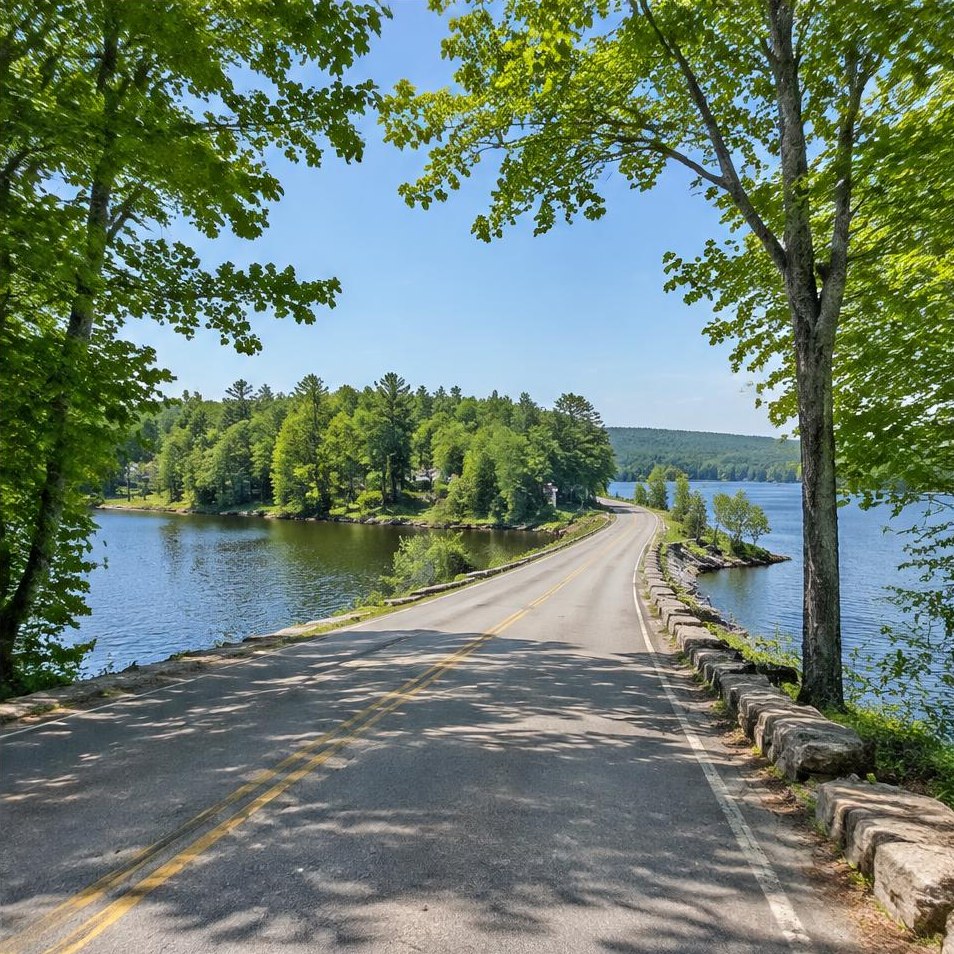
A breakdown can leave you thinking about the mechanical problem while moving traffic is the more immediate risk. On Route 302, a lake road or a narrow private lane, begin with where the vehicle and people can safely remain. The right waiting position depends on the actual surroundings. No general checklist replaces emergency guidance when someone is in immediate danger.
Make the first move a safe one
If the vehicle can be moved out of the travel lane safely, do so without forcing a dangerous maneuver. Turn on the hazard lights. Do not continue driving a vehicle that has lost braking or steering control just to find a more convenient place. If you cannot reach a safe position, contact emergency services and describe the traffic hazard.
A wide shoulder, turnout and driveway are different settings. Look for the risks that are present rather than assuming that being off the lane resolves everything. A steep edge, blind bend or fast-moving traffic can still affect where it is safe to wait. Give those details when requesting assistance; they are part of the job, not background scenery.
Decide where to wait without crossing traffic
If it is safe to remain in the vehicle on a busy road, stay buckled. Getting out beside traffic can create a larger risk than waiting inside. If the vehicle itself is in immediate danger, follow emergency guidance and move to a safe place when you can do so without stepping into traffic or unstable ground.
Keep children and animals under control and away from the road. Do not have someone stand in the lane to direct drivers around you. Avoid waiting immediately in front of or behind the disabled vehicle where a collision could push it toward you. The conditions matter, so explain them clearly rather than relying on a fixed rule for every breakdown.
Use warning equipment thoughtfully
Hazard lights help other drivers notice that something is wrong, but they do not create a protected work zone. Keep headlights or other necessary visibility equipment set appropriately for the conditions and your vehicle. Do not spend time placing equipment if doing so exposes you to traffic. Visibility matters, but not at the cost of walking into a dangerous lane.
Flares introduce heat and ignition risks, especially around leaking fuel or dry material. Do not use them casually. Reflective equipment also requires a safe placement route. Follow equipment instructions and emergency guidance. A warning device is not permission to work under a car on the roadside, and its presence does not guarantee that every driver will slow down.
Give a location someone else can find
A road number is a starting point, not an exact pickup point. Tell us the town, travel direction, nearest intersection and any sign or landmark that can be observed safely. If you use a location pin, still explain which side of the road you are on and whether there is a safe approach. A map coordinate cannot describe every gate, shoulder or turnoff.
Lake roads and camp lanes may have similar names or unmarked entrances. Mention the main road used to reach the lane and the distance or turns only if you can describe them accurately. Do not wander away from the vehicle just to read a sign. Clear, honest location information is better than guessing a landmark because you think it sounds nearby.
- Turn on hazard lights and move out of the lane only if safe.
- Choose a safe waiting position and remain buckled when appropriate.
- Record the town, road, direction and nearest useful intersection.
- Describe the vehicle fault and access restrictions.
- Call emergency services when there is immediate danger.
Understand Maine’s Move Over requirement
Maine law addresses passing certain stationary emergency and public-service vehicles displaying authorized warning lights. Drivers must move to a lane not next to the stopped vehicle when possible. When moving over is impossible or unsafe, they must pass at a careful and prudent speed. The exact legal requirements depend on the vehicle and lights involved.
Do not assume that the law means every driver has seen you or that the road is now safe to stand in. A disabled vehicle’s hazard lights are not the same as every category described in the statute. Continue treating passing traffic as a hazard and leave room for the person providing assistance to assess the scene. Official Maine law is the source for the requirement, not an informal roadside promise.
Explain the vehicle problem after the scene is safe
Once your position is settled, tell the assistance provider what happened. A flat tire with a usable spare, a battery-related no-start and a vehicle that overheated may need different responses. Mention damage, leaking fluid or a wheel that will not roll. Do not restart an overheating engine repeatedly or crawl underneath to produce a more detailed diagnosis.
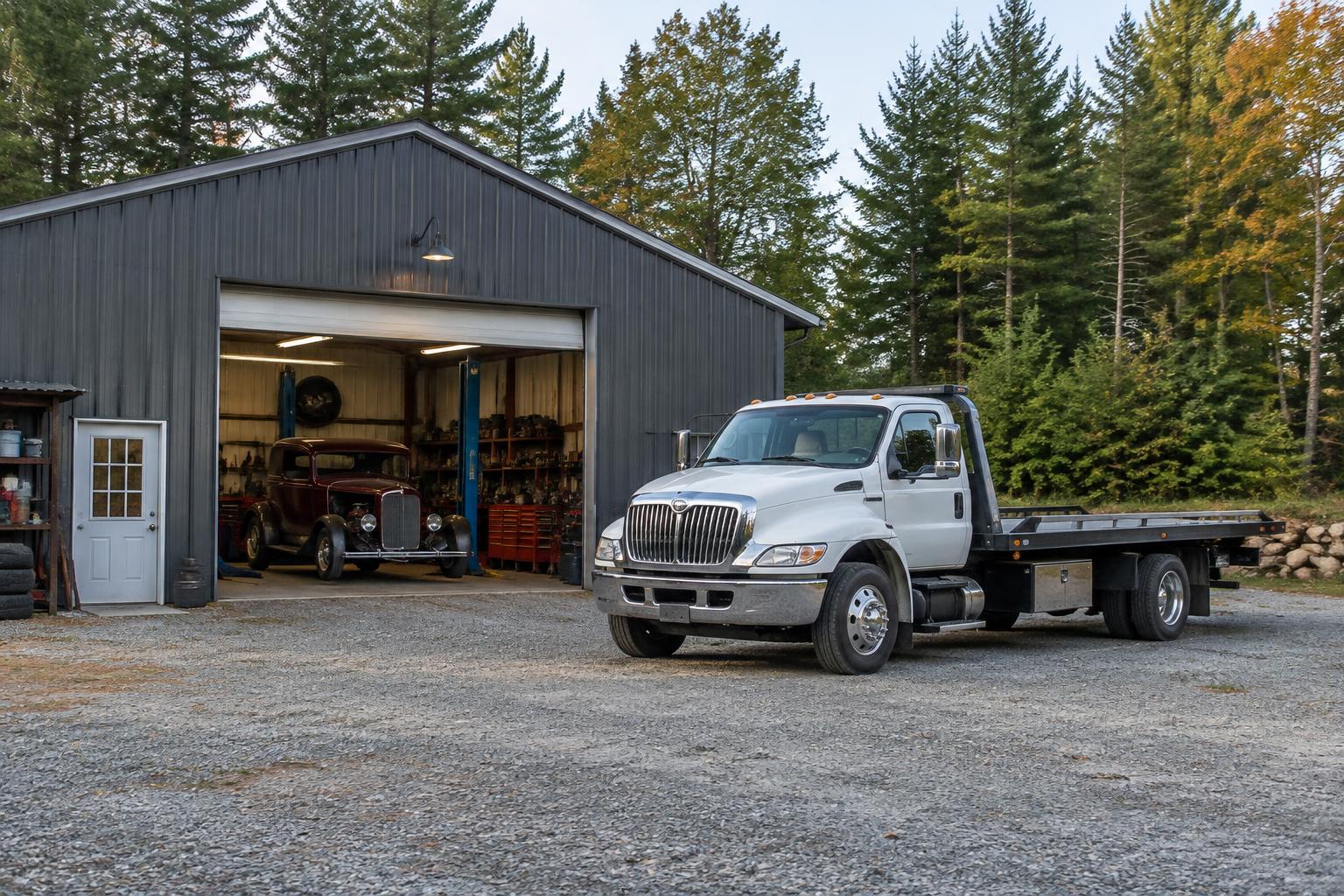
B&C provides towing and roadside assistance from East Baldwin, including winch-outs, jumps, tire changes, lockouts and fuel delivery. Call with the location and observations so the next step can be discussed. If anyone is in danger, call 911. Your safety comes before the mechanical description and before any assumption that a roadside repair is possible.
Prepare the passenger plan as well as the vehicle plan
A disabled vehicle can leave passengers with practical questions that the towing request alone does not answer. Explain how many people are with you and whether anyone needs immediate assistance. Do not assume transport arrangements for passengers or animals without discussing them. Keep everyone together in a safe position, and avoid sending someone down the shoulder to look for help.
If a friend is coming, tell them where they can stop without creating another obstruction. A second car parked badly can make the scene harder to reach. Do not ask a helper to stop in a live lane or stand behind the vehicle to signal traffic. The safest meeting place may not be directly beside the breakdown, and emergency guidance takes priority when the position is dangerous.
Preserve your phone’s ability to communicate. Have the location details ready, keep the device accessible and avoid unnecessary use if the battery is low. A location pin can support the description, but write down or remember the road and town too. If a connection drops, those details help you restart the conversation without beginning from a vague description of the area.
When assistance is arranged, follow the provider’s directions about where to wait and how to approach the vehicle. Do not begin moving belongings or entering the traffic side of the car just because a truck appears. The scene still needs assessment. A clear passenger plan reduces hurried decisions while the vehicle is being positioned or prepared.
Official reference: Maine Move Over law.