2026-11-07 · B&C Motorworks & Towing
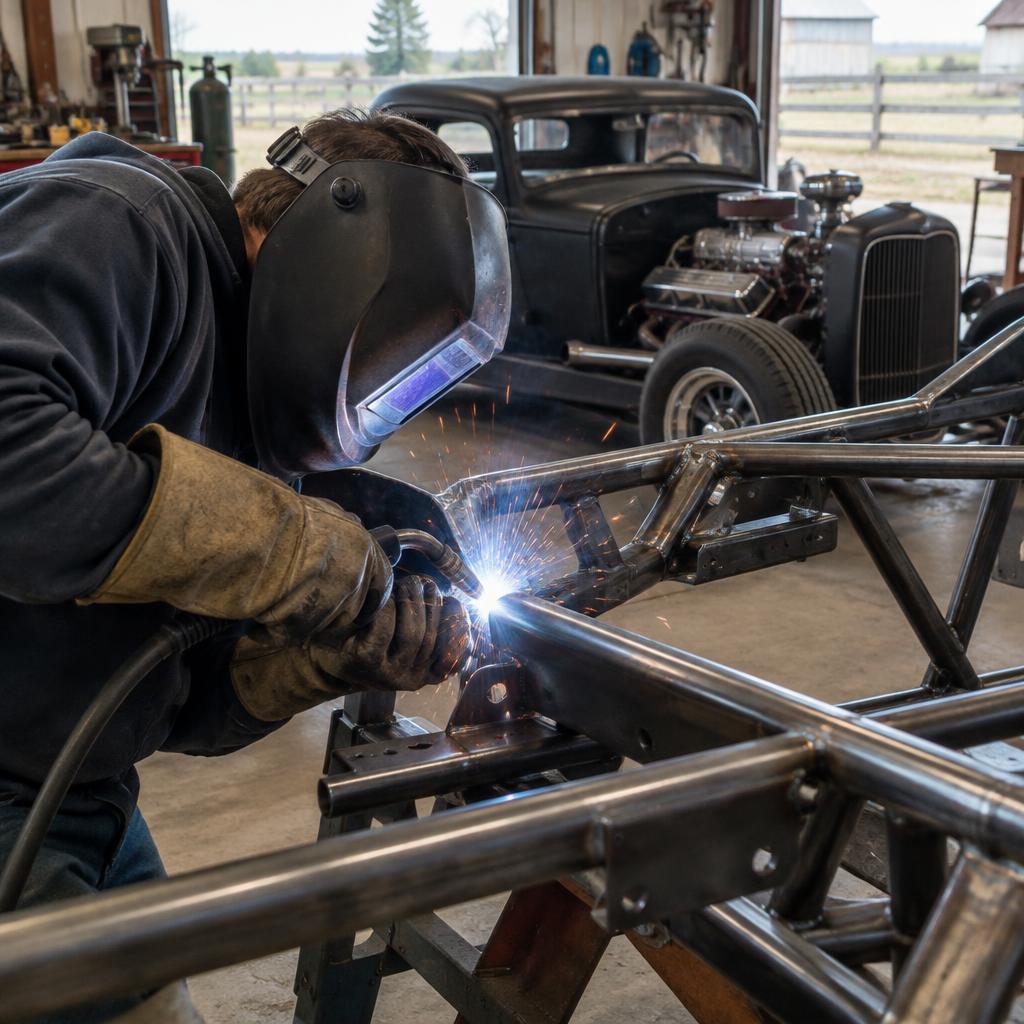
A project car can be full of potential and still need difficult decisions before the first new panel goes on. Rust, previous repairs and custom modifications affect more than appearance. A useful plan begins by understanding what is there, what the vehicle needs to do and which work is structural rather than cosmetic. B&C handles fabrication, welding, classics and hot rod restoration at the East Baldwin shop.
Separate the dream from the starting condition
A finished-car photograph can explain your taste, but it does not describe the condition of the vehicle in front of you. Make a record of what is complete, missing, altered or already repaired. Note whether the car runs, rolls, steers and brakes. Those practical facts affect transport and the first assessment long before a color or finish is selected.
Keep photographs of the underside and previous work if they already exist, but do not crawl under an unsupported vehicle to collect them. Gather records, part numbers and any drawings. Honest information about past repairs makes a planning conversation more useful than a description that skips the parts you hope will not matter.
Surface corrosion and structural concerns differ
Rust on a visible panel may be only part of the story. Mounting points, seams and enclosed sections can hide deterioration that is not apparent from outside. A coating, filler or shiny paint does not prove the underlying metal is sound. The thickness, location and role of the material matter when deciding what the damage means.
Avoid treating every rust patch as a cosmetic repair. A structural area can affect safety and fit in ways that a surface blemish does not. The location and condition of the rust guide the repair plan. Photos can begin a conversation but may not reveal what is behind a panel.
Previous modifications deserve documentation
Hot rods and older projects often mix parts from different vehicles and stages of work. A bracket may have been moved, a wiring route changed or an opening cut for another component. Write down what you know and distinguish it from what you are guessing. A later repair needs to work with the actual vehicle, not an assumed factory arrangement.
Bring any dimensions, drawings or notes for custom parts. Explain what each part is intended to do and what it must clear. Fit, movement, heat and access can all matter. A design that looks suitable in a photograph may not fit your body, chassis or drivetrain without changes. The purpose and constraints are more useful than simply asking for an identical copy.
Agree on a scope before adding more work
A project can grow quickly when cosmetic goals, mechanical needs and structural findings are mixed together. Identify the immediate priority and the intended use: a driver, a long-term restoration or a custom build. Ask which questions need an in-person look before a plan can be settled. Do not treat an initial phone conversation as approval for every possible stage.
Clear scope also includes what is not part of the current request. List the parts you are supplying, what remains unfinished and which decisions you still need to make. Keep expectations tied to the vehicle’s condition rather than a deadline or result that has not been discussed. A clear list of priorities makes the first stage of work easier to talk through.
- Document the vehicle’s present condition and previous changes.
- Separate structural needs from cosmetic wishes.
- Bring drawings, measurements and available records.
- Discuss the first scope and unresolved questions.
- Plan safe transport if the vehicle cannot be driven.
Plan transport for a non-running project
A partly assembled car may need a different transport conversation from a complete daily driver. Tell the provider if wheels are locked, steering is disconnected or loose parts are inside the body. Mention unusual ground clearance and components that extend beyond the vehicle. A tow request should identify what can move and what is not secure.
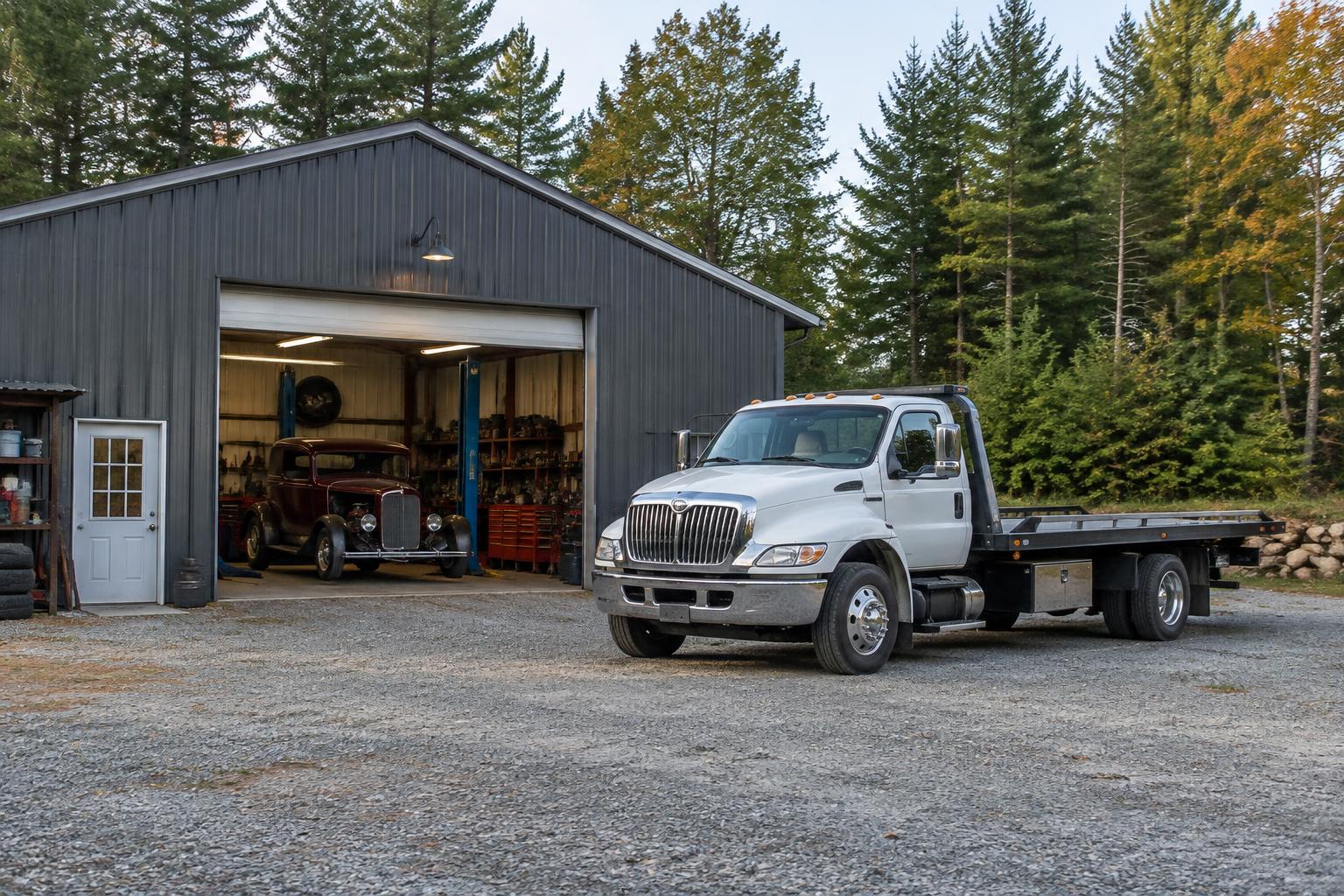
Do not leave unsecured panels or parts where they can shift during transport. Ask what needs to be prepared and explain the approach at both locations. B&C also handles towing for cars, SUVs and pickups, so moving a project and discussing shop work can be connected questions. Each arrangement still needs confirmation for the actual vehicle.
Start the shop conversation with the right questions
Ask what information is needed for an initial assessment, what aspects are uncertain and how to describe the work you want. Bring a concise project outline instead of assuming that a long collection of inspiration images answers every technical question. The condition of the existing metal and the intended use should remain central.
Custom fabrication, welding and restoration at B&C are topics to discuss directly with the shop. No article can decide whether a particular car is worth restoring or which repair will be appropriate behind a closed panel. A careful starting conversation respects both the owner’s goal and the vehicle’s real condition. Tow it, talk it through and define the next stage before assuming the entire build is settled.
Keep a project record from the beginning
A simple record can prevent later confusion. Keep photographs of the starting condition, notes about parts supplied and a list of modifications already present. Record which measurements are known and which still need checking. This is not a substitute for a shop assessment, but it helps distinguish the vehicle’s actual configuration from an assumption based on its original model.
For a disassembled project, label loose parts and note where they belong. Missing hardware or an unidentified bracket can interrupt a fitting discussion. Do not assume that every removed part is reusable or that every replacement is correct just because it came with the car. Bring the information you have and leave uncertain details clearly marked as uncertain.
Decide how the vehicle will be stored and moved during the planning stage. Weather exposure can change the condition of open seams and unprotected metal. A vehicle that cannot steer or brake normally needs a transport discussion before it is moved. Those practical arrangements are part of starting responsibly, even if they are less exciting than choosing the final appearance.
Revisit the scope when an assessment reveals something new. Hidden corrosion, previous patches or incompatible parts can alter the plan. A useful conversation explains the finding and separates necessary work from optional changes. Do not assume that a goal agreed before the vehicle was seen answers every later question. Documenting decisions keeps the next stage tied to the car’s real condition.