2026-11-09 · B&C Motorworks & Towing
A state inspection is a safety check, not simply a sticker appointment. Maine generally requires annual inspection for vehicles required to be registered, subject to statutory exemptions. Looking at basic items beforehand can help you describe concerns, but it does not replace an official inspection or establish that a vehicle will pass. B&C’s confirmed work includes auto and diesel repair; this guide does not claim that B&C is an inspection station.
Start with lights you can observe safely
Check the lights with the vehicle parked somewhere safe. Headlamps, turn signals, brake lights and other required lighting should work as intended. Another person can help observe the brake lights without anyone standing in traffic. Note damaged lenses, an intermittent lamp or a signal that behaves differently from the other side.
Do not assume that a bulb is the only possible cause. A poor connection, wiring issue or damaged housing can create repeated failures. Record what does and does not work rather than replacing parts at random. If you make a repair, confirm the function again. An observation made in daylight may not reveal how a lamp performs after dark.
Treat tires as more than a tread glance
Look for visible damage, uneven wear and a tire that is losing air. The condition of all tires matters, not only the easiest one to see. A bulge, exposed cord or other significant damage deserves prompt attention. Follow the vehicle’s pressure information and do not use an arbitrary number because it appears on a different vehicle.
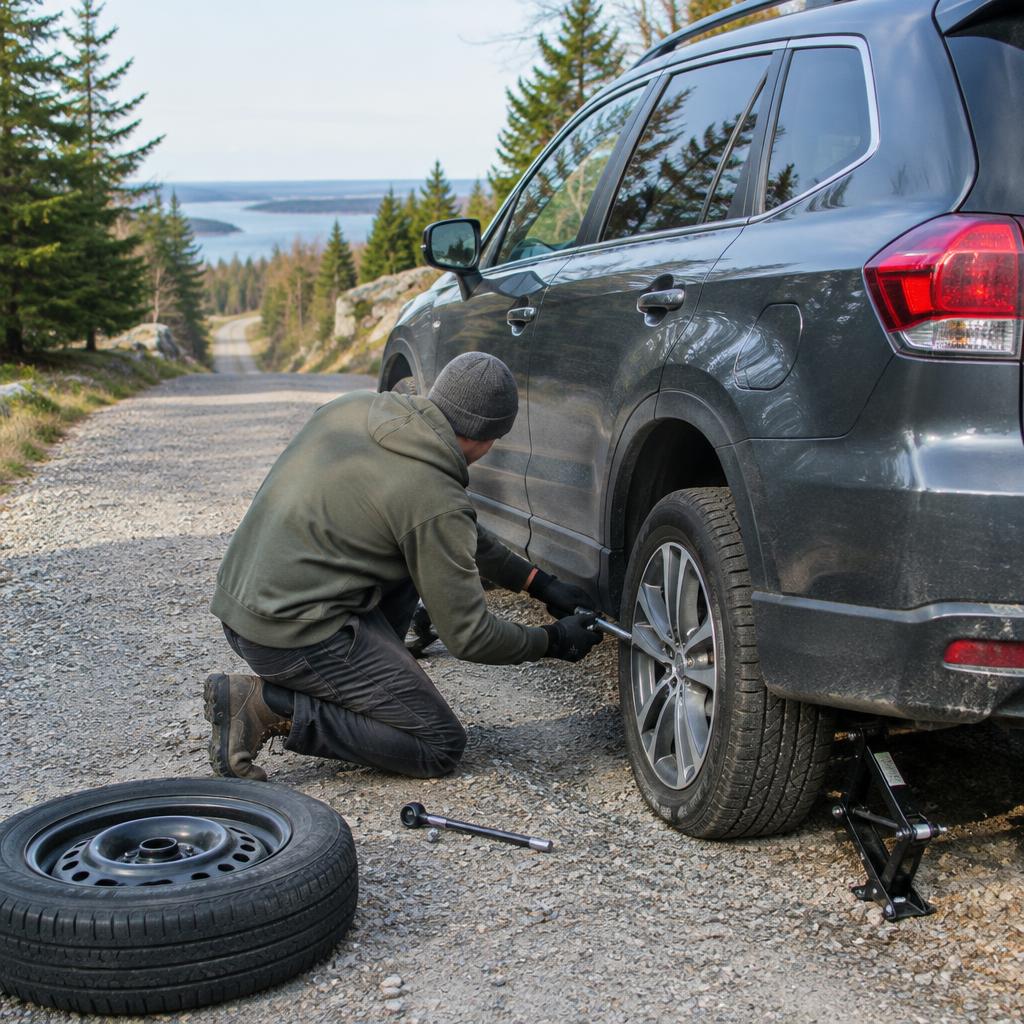
Uneven wear can raise questions about alignment, suspension or pressure history. A new tire may address the visible wear without explaining the cause. Tell the repair shop what you noticed and whether the vehicle pulls, vibrates or has recently struck a pothole. Do not crawl beneath a vehicle supported only by a jack to make an inspection list.
Describe brake symptoms instead of testing dangerously
Noise, a changing pedal feel, pulling during braking and warning lights are useful concerns to report. Do not carry out an emergency braking test on a public road to prove there is a problem. If stopping ability has deteriorated, stop using the vehicle until it can be assessed safely. An inspection appointment is not a reason to drive with a known serious braking fault.
Visible parts do not tell the full story of a brake system. A shop assessment may need access beyond what an owner can see from outside the wheel. Avoid making a pass-or-fail judgment from one photograph. The point of your preparation is to explain the symptom and history clearly, not to replace the applicable inspection criteria.
Look at glazing, wipers and visibility
A clear view is important every day, not only at inspection time. Note windshield damage, wipers that leave broad streaks and a washer system that does not function. Defrost problems also matter when the glass fogs. Clean the glass safely and distinguish dirt or a worn blade from damage that needs another kind of attention.
The position and extent of glass damage may affect how it is evaluated. Do not assume that every chip means the same thing or that an online picture determines the answer for your vehicle. Tell the shop where the damage is and how it affects visibility. Follow the current official requirements rather than relying on a remembered rule from another state.
- Check exterior lighting while safely parked.
- Observe tire condition and report repeated pressure loss.
- Note brake symptoms without conducting risky tests.
- Check windshield visibility, wipers and washer operation.
- Share rust, exhaust and steering concerns with a qualified assessment.
Rust and exhaust deserve more than a cosmetic look
Maine vehicles can develop corrosion that is hidden behind panels or around mounting points. Surface discoloration and a structural concern are not interchangeable. A shiny coating does not establish that the material below is sound. If you know about holes, previous patches or loose mounts, describe them rather than covering them before the vehicle is assessed.
An exhaust leak, loose component or unusual noise also warrants attention. Do not investigate hot exhaust parts with your hands or run an engine in an enclosed space. Fumes in the cabin need a safety response, not simply a note for a future appointment. Use the repair conversation to explain what changed and when you first noticed it.
Prepare the request and confirm the service offered
Ask the chosen shop what paperwork and arrangements it requires. Do not assume that every repair shop performs official inspections, and do not assume a repair and inspection can be completed together. The vehicle’s condition, needed parts and the work involved determine the practical next steps. Confirm directly before making plans around the visit.
For current legal requirements, consult Maine’s official inspection law and program guidance. This article is general preparation, not a promise of passing or a statement that any one fault is automatically treated the same way on every vehicle. B&C can discuss auto and diesel repair, roadside assistance or a tow to a destination you specify; describe the actual work you need.
A preparation list is not a pass prediction
An owner can make useful observations without deciding the official result. Write a short list of what you noticed, when it occurs and whether it is getting worse. Include a photograph only when it can be obtained safely. This helps a repair discussion remain focused and avoids asking a shop to interpret a vague claim that the car “probably needs everything.”
Official requirements apply to the vehicle category and current rules. Exemptions and other provisions can change the answer to a general question, so consult Maine’s program guidance rather than relying on a rule remembered from another vehicle. This article deliberately avoids predicting an inspection result or describing B&C as authorized to issue an inspection certificate.
If a previous inspection identified a concern, keep the paperwork and the exact description. A repair request is clearer when it identifies the item rather than relying on a shortened explanation of what someone said. Ask what work is appropriate and how it will be assessed afterward. Do not assume that changing a part automatically resolves every related condition.
Safety concerns should be addressed when they appear, not postponed until a sticker is due. A serious braking change, damaged tire or exhaust fumes in the cabin deserves prompt attention. If the vehicle is not safe to drive, discuss towing. Preparing for an appointment is useful only when getting there does not create a further hazard.
Official reference: Maine inspection requirements.