2026-11-10 · B&C Motorworks & Towing
A diesel no-start in cold weather can involve more than one system. Battery performance, fuel condition and the engine’s starting aids all matter. The word “gelling” may come to mind first, but a cold morning does not prove that fuel is the cause. Start with the symptoms and the vehicle instructions instead of pouring in a product or repeatedly cranking.
Separate slow cranking from normal cranking
A diesel engine needs the starting system to turn it as intended. Slow cranking or rapid clicking points toward an electrical supply or starting-system question. Fuel treatment will not repair an inadequate electrical connection or restore a failed starter. Listen to what happens and explain whether the engine turns slowly, turns normally without firing or does not turn at all.
Cold conditions can make a weak battery or poor connection more noticeable. Some diesel vehicles have multiple batteries, so identify the model and any recent battery work. Do not assume that checking one visible battery answers the whole starting question. Avoid long repeated attempts, and follow the manual’s limits and waiting periods.
Understand what fuel waxing means
Diesel contains components that can form wax crystals as temperatures fall. Those crystals can restrict fuel flow, including through a filter. The practical problem is that the engine may not receive fuel as it should, even when there is fuel in the tank. The conditions at which this happens depend on the fuel and other factors; there is no single temperature that describes every vehicle and fuel supply.
Tell the shop where and when the vehicle was last fueled, whether it had run normally beforehand and what symptoms occurred. A vehicle that lost power while running presents a different history from one that simply would not start after parking. Do not claim a gelled filter as a confirmed diagnosis based only on the weather.
Use the correct starting-aid procedure
Many diesel vehicles use glow plugs or another intake or combustion starting aid. Follow the vehicle’s instructions, including the meaning of a wait-to-start indicator. Turning the key straight through a required waiting sequence may not be the intended procedure. An indicator that behaves unusually is a useful observation to report, not a reason to bypass the system.
Do not use starting fluid unless the manufacturer explicitly permits it under the relevant procedure. Some starting-aid systems make that especially hazardous. Guessing at an ether shortcut can cause injury or engine damage. The safest approach is to stop an improvised attempt and obtain model-specific advice.
Fuel additives are not interchangeable fixes
Products sold for prevention and products intended for an existing cold-fuel problem can have different instructions. Adding something after the fuel system is restricted is not necessarily equivalent to treating suitable fuel beforehand. Follow the manufacturer’s recommendations and the product label; do not mix products or assume a larger quantity is more effective.
If the vehicle is already stranded, describe what has been added and whether the engine ran afterward. That history matters for a shop assessment. Never use gasoline as an improvised diesel cold-weather treatment. The wrong substance can create a separate repair problem and obscure what caused the original no-start.
- Identify whether cranking speed is slow or normal.
- Follow the manual’s wait-to-start sequence.
- Report fuel history and cold-weather symptoms.
- Avoid starting fluid and guessed fuel mixtures.
- Discuss transport if the vehicle cannot be assessed safely where it sits.
Know when the roadside is the wrong workshop
A narrow shoulder is not a suitable place to take apart a fuel system, handle hot components or work beneath the vehicle. If access is unsafe or the engine will not run after appropriate initial checks, towing may be more useful than continuing roadside experiments. A shop provides a place to assess the fault with the vehicle out of traffic.
Do not apply an open flame or improvised heat source to warm fuel components. Fire, wiring and nearby materials create risks beyond the original starting problem. If the vehicle has a manufacturer-approved heater or other cold-weather equipment, follow its instructions and electrical safety requirements. There is no general shortcut that replaces the model’s procedure.
Bring a clear history to the repair conversation
Record the last successful start, any loss of power, warning lights and recent work. Mention whether the fuel tank ran dry, whether a battery was changed and whether the vehicle was parked for an extended period. The sequence can help distinguish an isolated starting issue from an ongoing fuel or electrical fault.
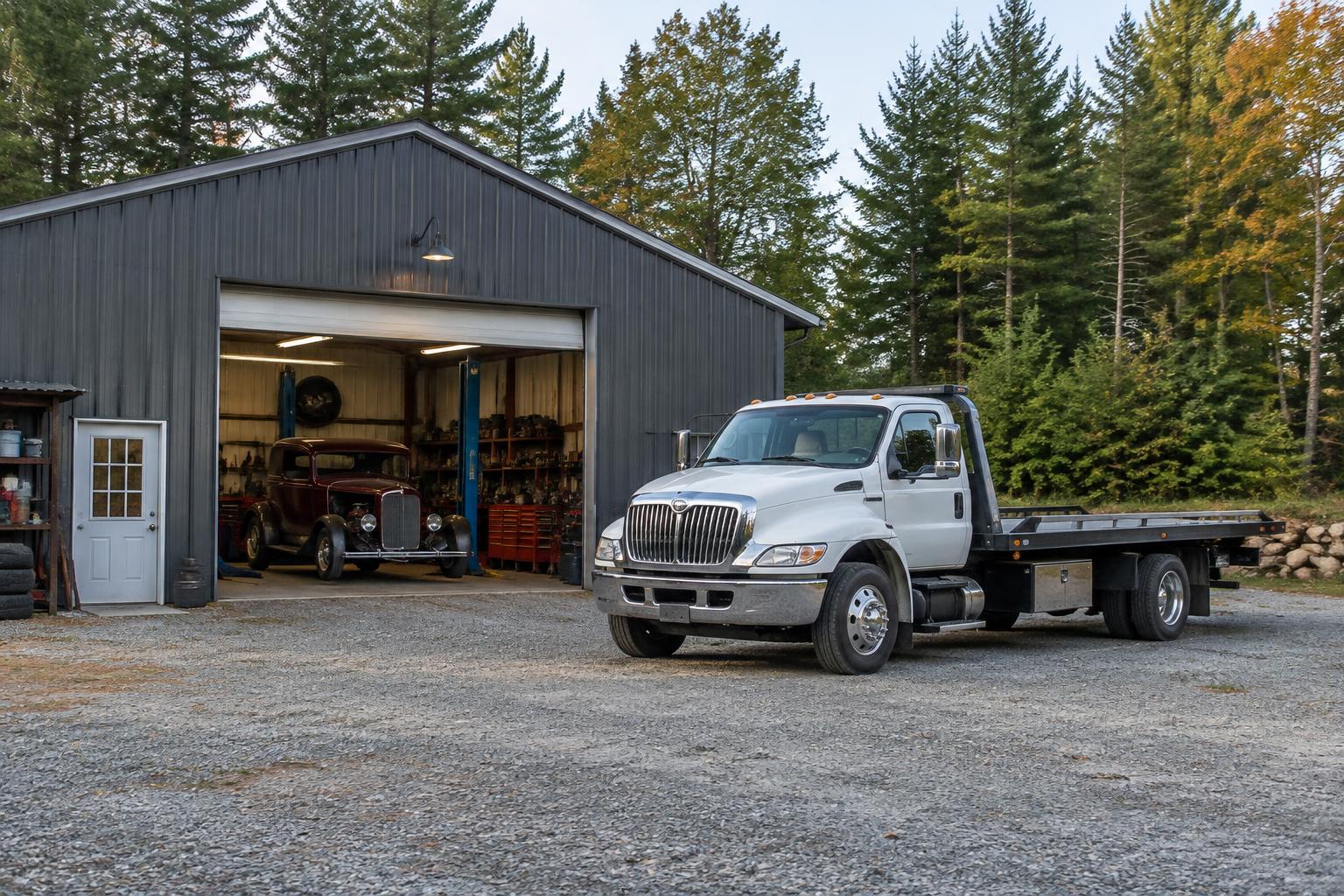
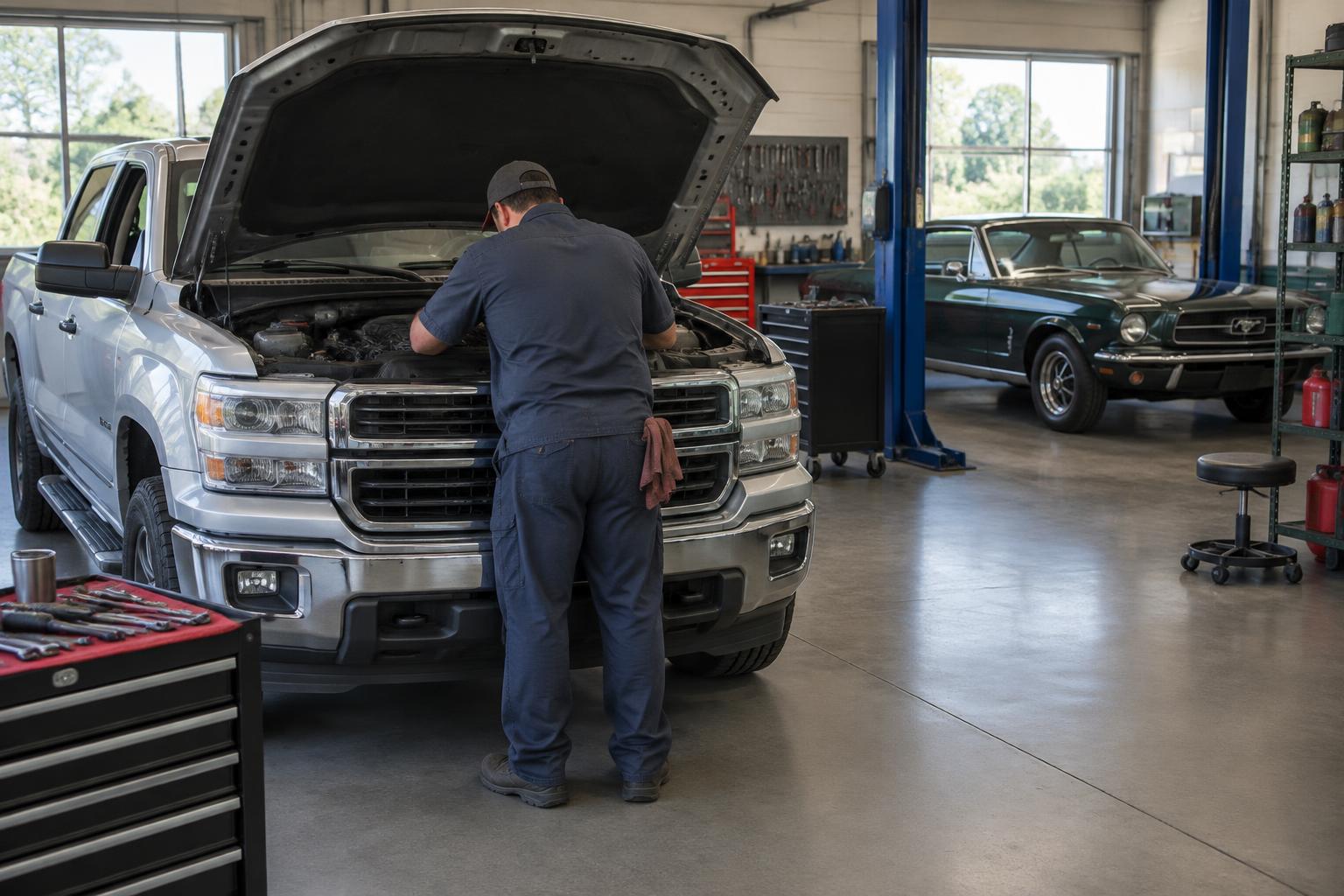
B&C handles diesel repair at its East Baldwin service bay, alongside roadside assistance and towing. Call with the vehicle details, location and observations so the request can be discussed. Bring us the starting history and fuel details so we can take a closer look at the diesel in the bay.
Keep preventive habits separate from diagnosis
Good cold-weather preparation follows the vehicle’s requirements rather than a collection of general tips. Read the manufacturer’s guidance for fuel, starting aids, batteries and any installed heater. A procedure intended for one diesel engine may not apply to another. Keep those instructions available so a difficult morning does not lead to a series of guesses.
Fuel history is particularly useful because a tank may contain more than the most recent fill. Tell the shop if the vehicle has been parked for a long time or if fuel was brought in a separate container. Do not assume the label on a product describes the condition of every component in the vehicle. When a system is already restricted, the next step may require more than a preventive treatment.
Observe warning indicators without attempting to bypass them. A starting-aid warning, charging light or other message can help guide an assessment. If the display includes a specific message, record it accurately rather than paraphrasing it into a diagnosis. Do not clear codes before explaining the problem unless the appropriate vehicle procedure requires it; information can be useful to the person assessing the fault.
A diesel that starts eventually may still need attention if the difficulty repeats. Note whether the engine runs roughly, loses power or develops a warning afterward. Getting it running is not the same as establishing that it is ready for continued use. If the symptoms make driving questionable, discuss a shop visit and safe transport instead of assuming the successful start settled everything.